Research
Research Institute “Mathematical Modeling & Intelligent Control Systems”
Activity Goals
- Research and development in the areas of fundamental mathematical theory of modeling, high performance computing and controls of complex physical objects, processes and phenomena's on the basis of computational mathematics, computer science, cybernetics and artificial intelligence theory.
- Engineering design and implementation of innovative methods
and technologies of numerical modeling, simulations, visualizations, computational graphics and control systems for industry and scientific experimentations. - Professional-oriented workshops, consulting seminars and competence training in subjects of intelligent control systems and networking, robotics and intelligent mechatronics.
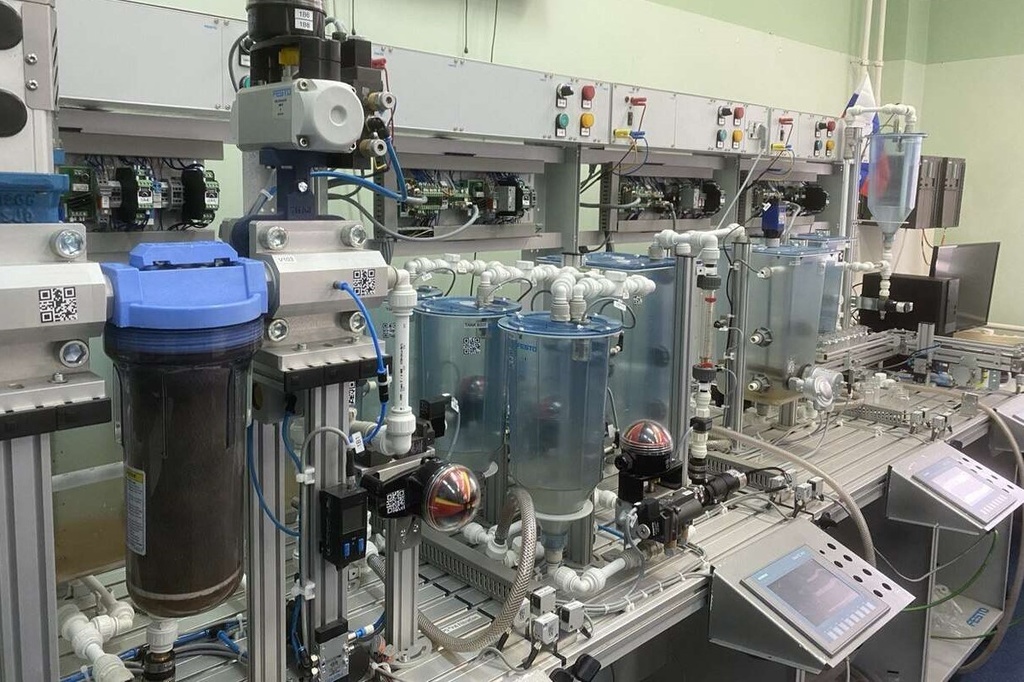
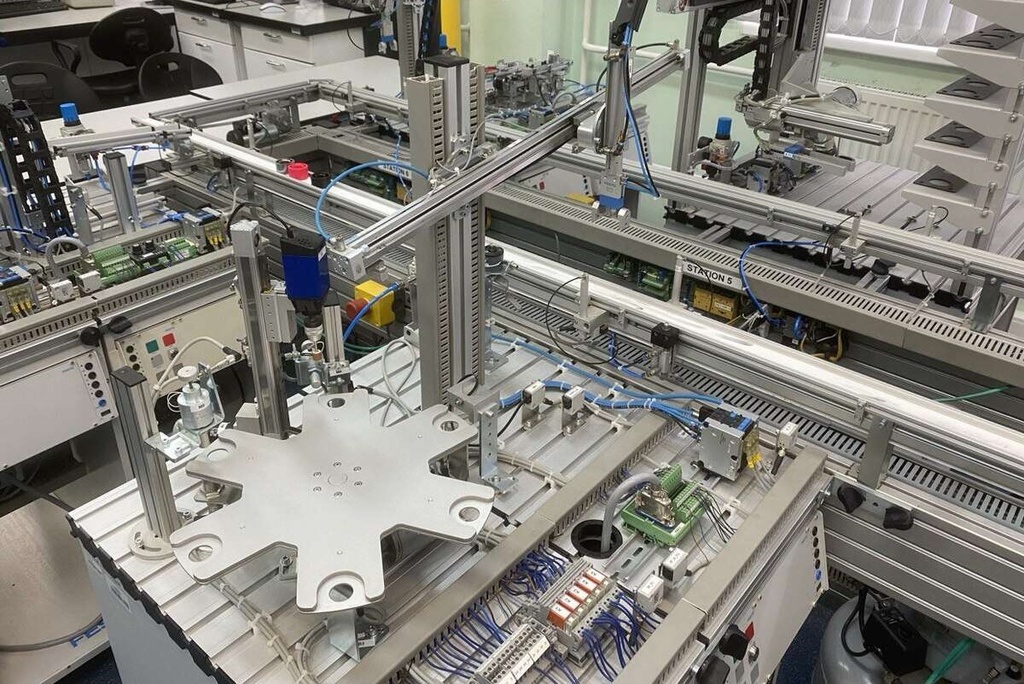
- Professional education and authorized skill training programs for high-qualified specialists in the area of advanced industrial automation and information management.
Scientific Activity Areas
- Methods of intelligent adaptive control of distributed systems.
- Adaptive computational technologies based on the stochastic
methods for solution of the topical engineering problems: thermal, structural and dynamics analysis of the complex industrial objects. - Mathematical and numerical modeling in the areas of applied mechanics, fracture/damage, composites, mechanical engineering.
- Computational fluid- and aero-acoustics and turbulence, modeling of processes in various fluid and gas dynamics units.
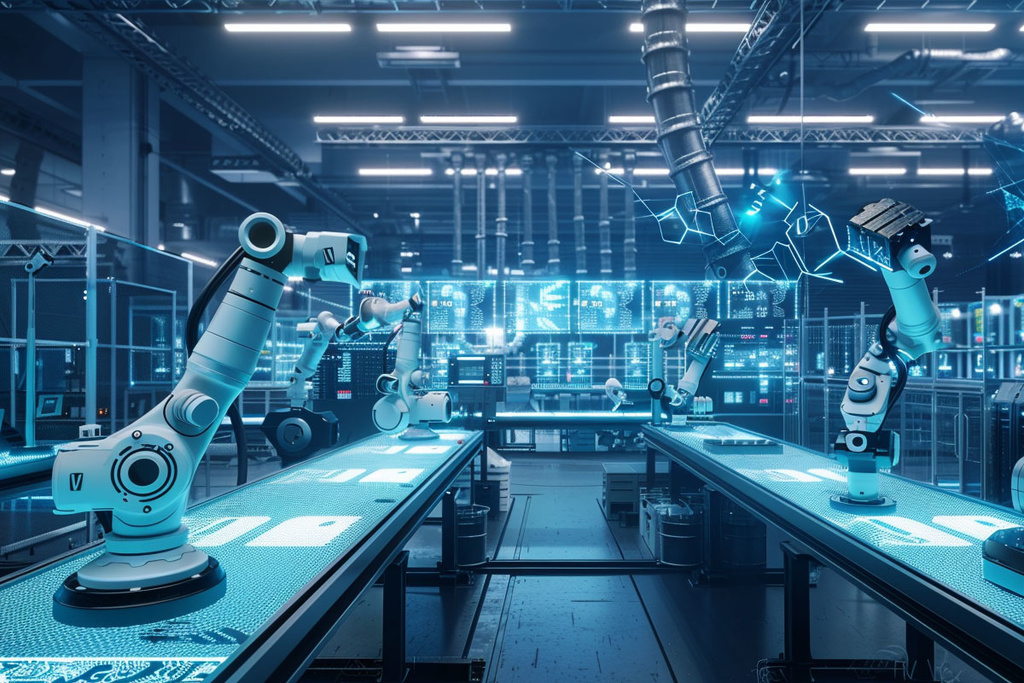
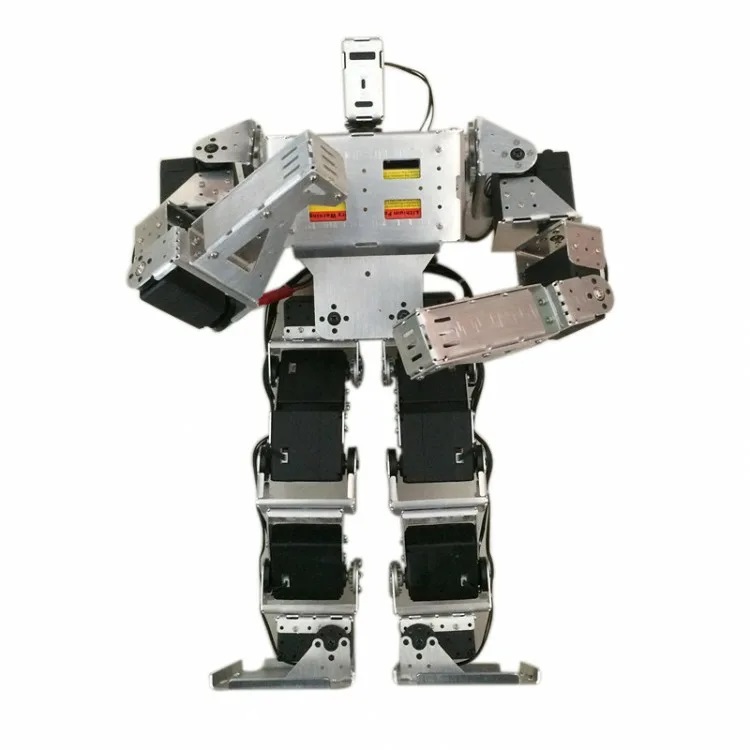
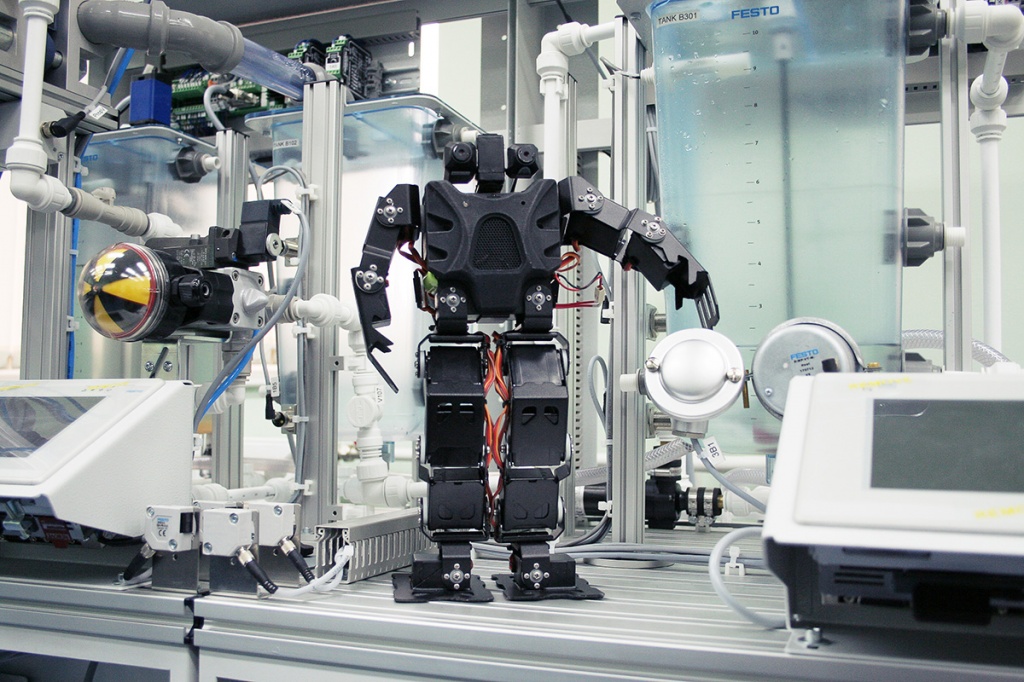
- Visualization of scientific analysis results with high quality standards control of distributed systems, technological processes, android robots and cooperative behavior of robots networks based computational mathematics, computer technologies and theory of artificial intelligence.
- Development of the adaptive computational technologies for solution of the topical engineering problems to estimate the complex physical behavior and characteristics of the real world sophisticated systems in machine-building, automotive, aerospace, ship-building and energy industries.
- Development of the new adaptive-stochastic methods in computational mathematics and mechanics
- Development of new approaches to the simulation of turbulence and computational aero-acoustics; numerical analysis of external and internal turbulent flows.
- Visualization of scientific analysis results with high quality standards of computer graphics (including stereoscopic graphics), virtual reality, multimedia technologies.
- Master and PhD degree programs; postdoctoral research; advanced trainings for research assistants, engineers and designers in the areas of:
- Applied Mechanics
- Aero- and Hydro-dynamics
- Intelligent Systems & Technologies
Applied Research
Mathematical analysis, calculation and simulation of processes and events
- Mathematical and computer modeling in applied mechanics of deformable solids, fracture, composite materials, machines and structures.
- Calculation of the stress and strain fields of complex structures operating under normal and extreme conditions.
- Calculation of seismic structures, modeling of the origin and
development of destruction. - Construction of models and algorithms for the calculation of complex turbulent flows and the noise that they generate.
- Adaptive computational models based on stochastic methods for solving urgent problems of estimating the thermal, stress and the dynamic state of complex objects.
- Numerical and nonlinear analysis of visco-elastic-plastic behavior of structures, the contact interactions, large deformations
- Calculation of the aerodynamic, acoustic and thermal characteristics of turbulent flows for aerospace, energy (including nuclear), road transport, civil construction.
- Modeling and identification of complex mechanical systems and processes.
Integrated Automation and Control
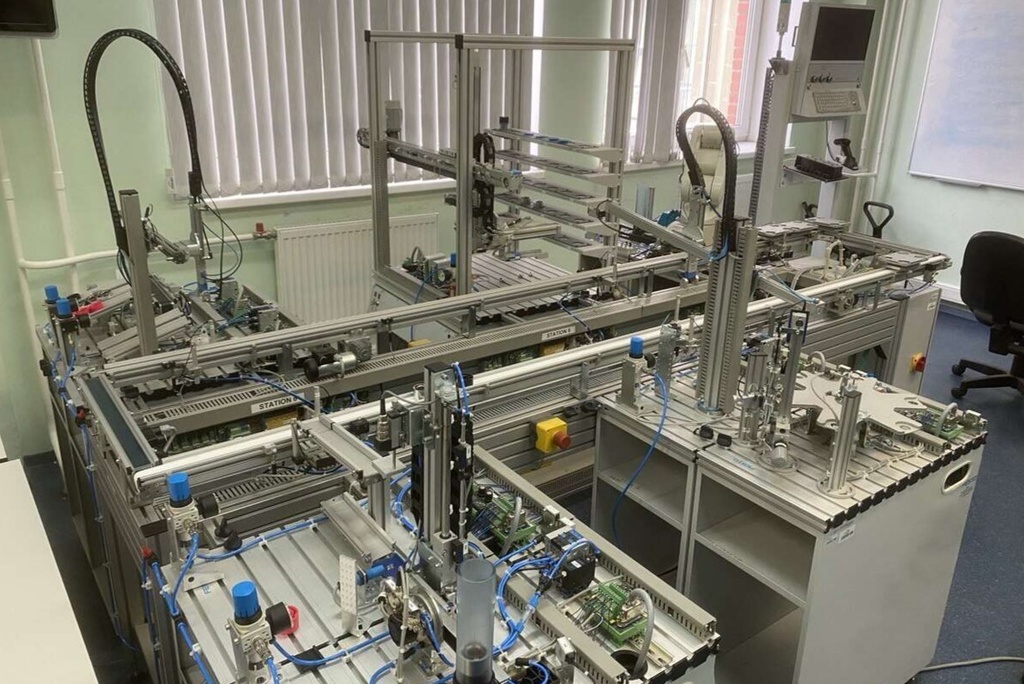
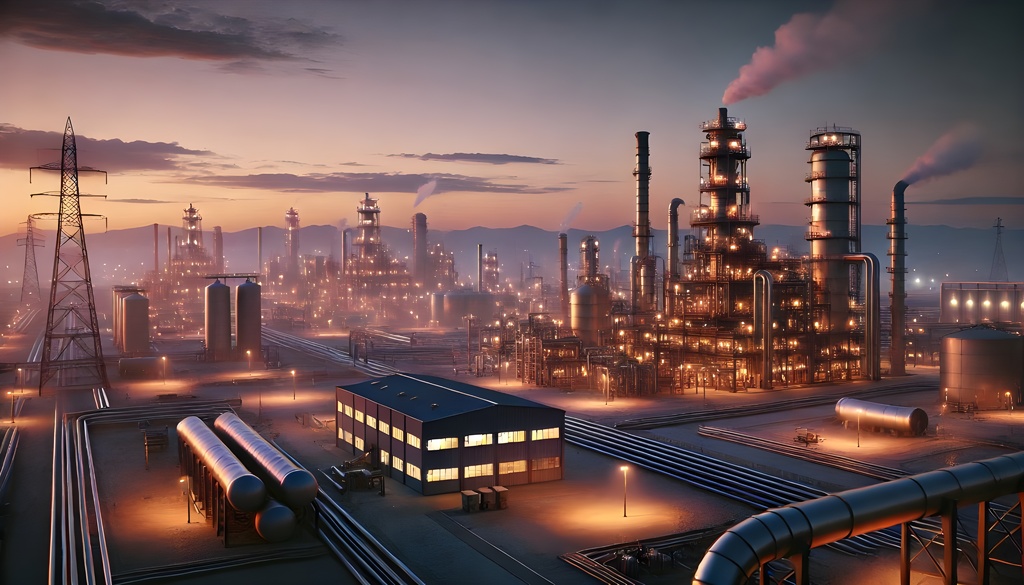
- Systems of integrated automation and management for complex technology industries.
- Intelligent adaptive control of distributed systems, technological processes, autonomous mobile systems.
- Network controllers for the decentralized control of distributed industrial facilities and processes.
- Intelligent Systems for command control of group behavior of mobile transport networks.
- Development of a graphical interface for managing virtual objects and patterns of technological production.
- Automation and integration of business processes
- Integration of informational systems of complex automation and systems for control of technological complexes.
- Business intelligence and decision support systems